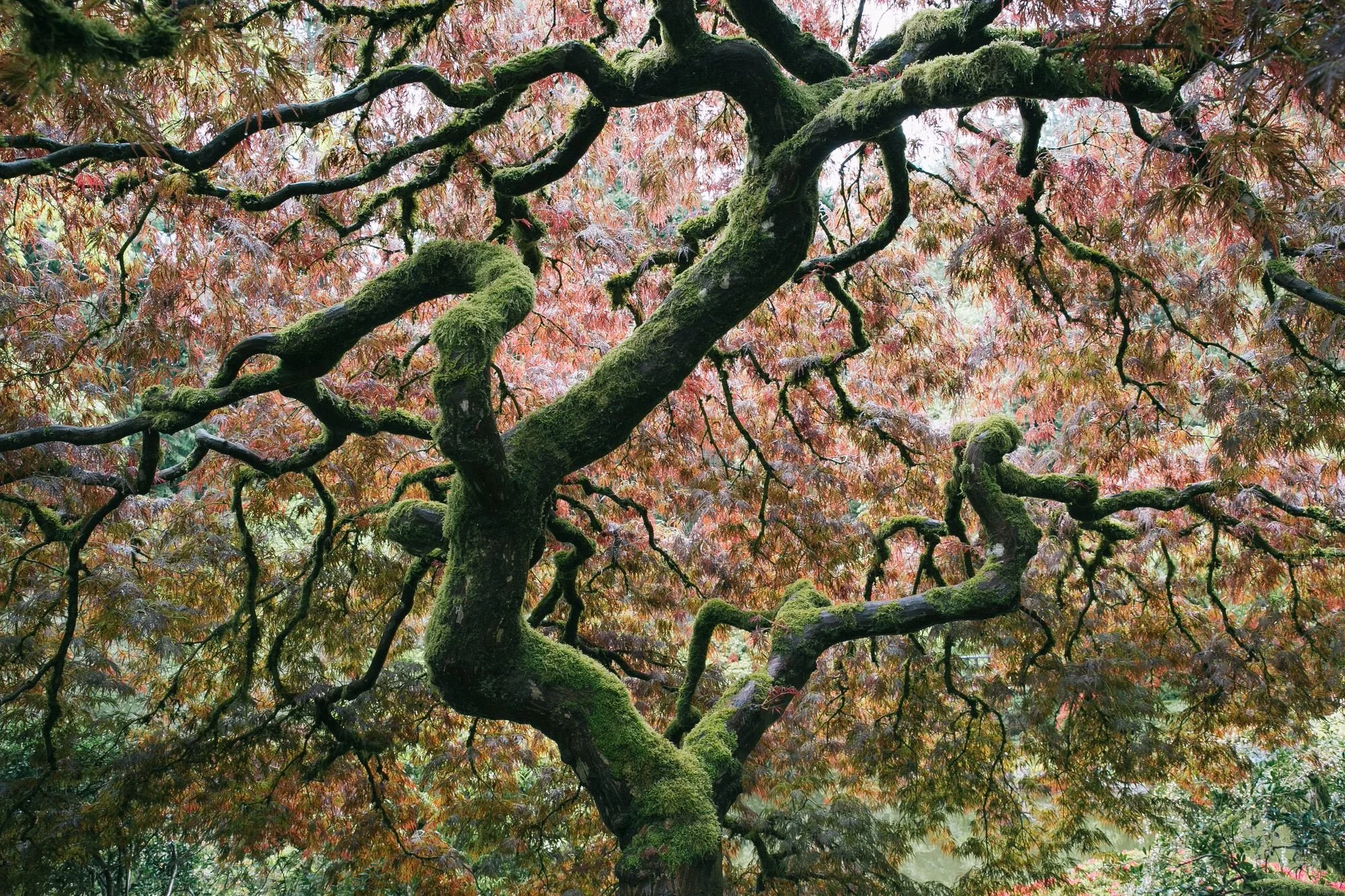
Portland Japanese Garden
Know Before You Go
- 611 SW Kingston Ave, Portland, OR 97205
- Hours vary by season.
Current hours: [[pjg_hours_pattern]]
[[pjg_hours_alert]] [[pjg_hours_upcoming]]
Plan ahead by purchasing timed-entry tickets in advance online. - Cost: [[pjg_cost]]. Timed ticketing available. Discounts available.
- japanesegarden.org
Visit the Construction & Closures Page for updates or closures related to events or maintenance.
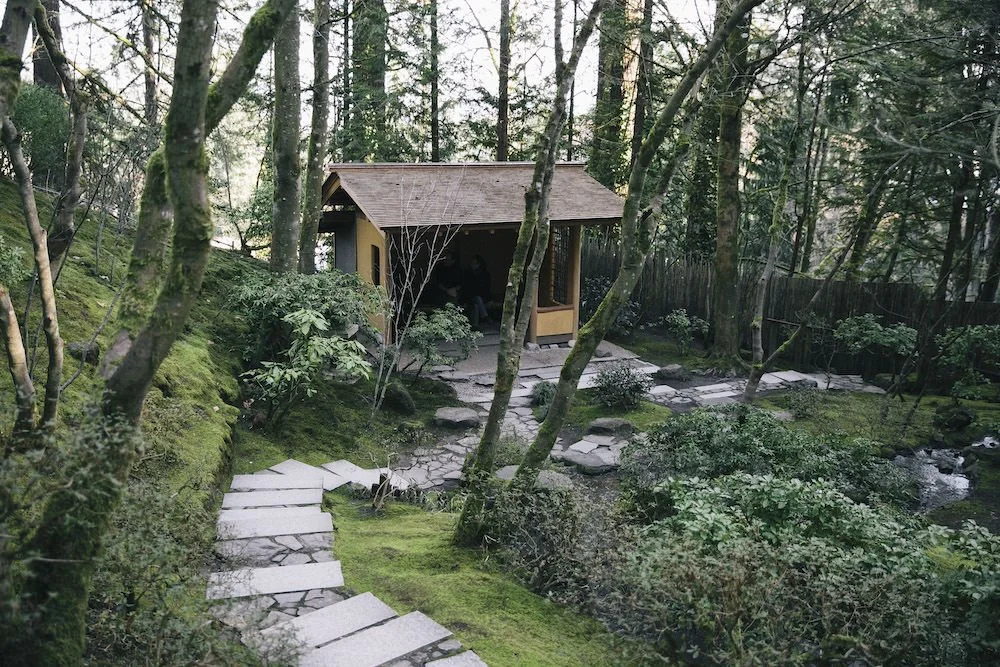
Portland Japanese Garden is a world-class garden and haven of beauty, set high on the slopes of Washington Park, just above the International Rose Test Garden. Proclaimed to be the most authentic Japanese garden outside of Japan, it invites visitors of all ages to explore eight garden styles and immerse in Japanese art and culture through seasonal activities, performances, and demonstrations.
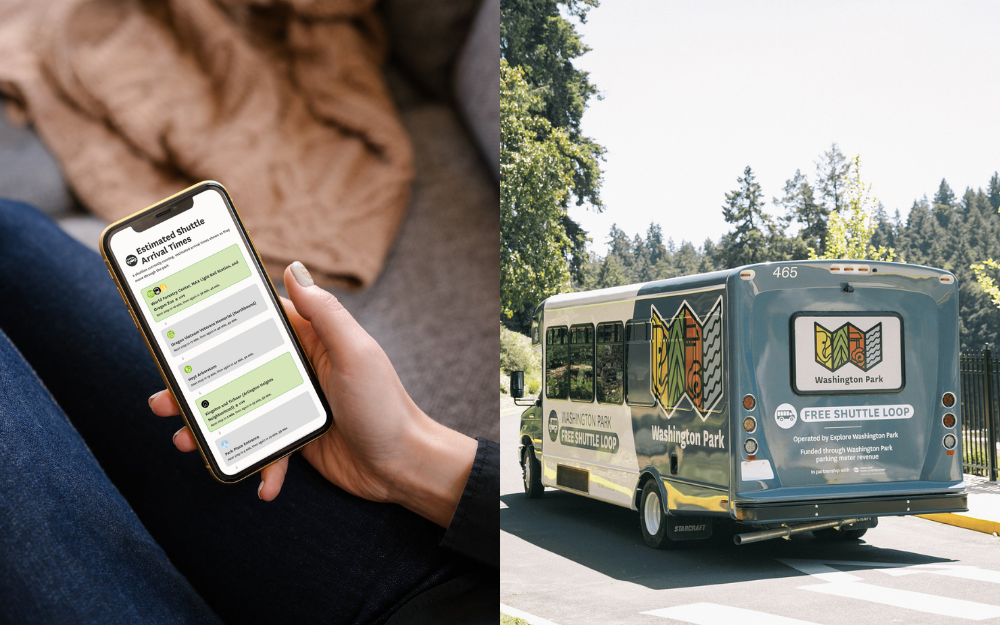
The Washington Park Free Shuttle stops here.
[[next-arrival:japanese garden]]
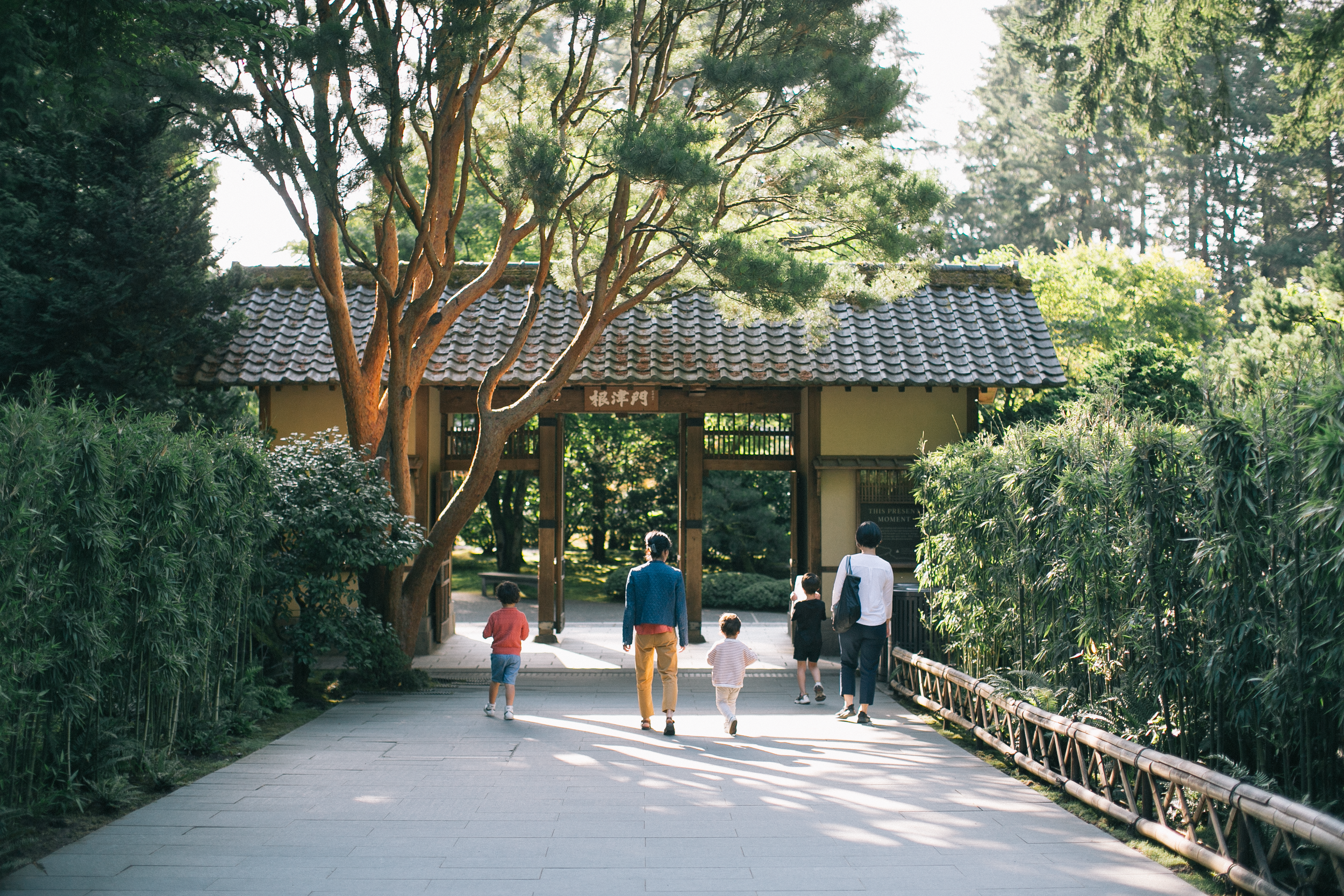

Plan Your Visit
Admission is required to enter the Garden’s curated spaces, which also include art exhibitions and the Umami Café. Get tickets here →
Discounted admission: Available for Oregon and Washington residents who qualify for certain income assistance programs. Learn about discounted admission →
Busy times: Tickets often sell out on sunny weekends, school holidays, and during special events. Buy tickets in advance.
Cultural demonstrations & performances: Check the Garden’s schedule for events in the Jordan Schnitzer Japanese Arts Learning Center, free with daily admission.
Public tours: Available with general admission or membership.
Fun Fact
Portland Japanese Garden was designed to look beautiful in every season—from spring cherry blossoms to fiery fall maples and even quiet winter snow scenes—so no two visits ever feel the same.
Getting Here
Skip the parking stress and take transit. Parking fills fast on busy days and during events, and payment is required at all lots. The Washington Park Free Shuttle Loop stops at all major attractions throughout the Park, making it easy to get around without a car.
-
Take the Red Line or Blue Line to Washington Park Station. Take the elevator to the station plaza on the street level. From here, board the Washington Park Free Shuttle and ride 6 stops to the Int’l Rose Test Garden/Portland Japanese Garden stop.
-
Take TriMet Bus 63 from downtown to the SW Rose Garden Way & Sherwood stop. Portland Japanese Garden’s welcome center is just across the street, on SW Kingston Ave.
-
Take TriMet Bus 20 to the W Burnside & NW 24th Pl stop. From here, use the Stearns Canyon Trail to enter the Park. This paved, car-free trail gradually climbs approximately 0.3 miles through a shady canyon towards the Oregon Holocaust Memorial, where you can board the Washington Park Free Shuttle and ride 1 stop to the Int’l Rose Test Garden/Portland Japanese Garden stop. Alternatively, continue on foot approximately 0.3 miles via the MAC Trail, SW Rose Garden Way or other nearby paved paths to the Garden entrance off SW Kingston Ave.
-
Take TriMet Bus 15 to the W Burnside & NW 23rd stop. From here, cross Burnside and walk approximately 0.2 miles, where you can use the Stearns Canyon Trail to enter the Park. This paved, car-free trail gradually climbs approximately 0.3 miles through a shady canyon towards the Oregon Holocaust Memorial, where you can board the Washington Park Free Shuttle and ride 1 stop to the Int’l Rose Test Garden/Portland Japanese Garden stop. Alternatively, continue on foot approximately 0.3 miles via the MAC Trail, SW Rose Garden Way or other nearby paved paths to the Garden entrance off SW Kingston Ave.
-
From the International Rose Test Garden and other northern Park attractions: Paved paths and garden connector routes lead uphill through forested slopes toward Portland Japanese Garden. Expect hills and some stair sections. Sturdy shoes are recommended.
From the Oregon Zoo, World Forestry Center, and other southern Park attractions: Hike approximately 2 miles to the Garden via the Wilwood Trail and MAC Trail. Follow trail signs to Portland Japanese Garden and Rose Garden.
Learn more about getting here on foot or see a digital map of the park.
-
From downtown or Goose Hollow: Pedal up SW Park Pl into the Park’s internal road network. From here, ride approximately 0.5 miles along SW Sacajawea Blvd and SW Rose Garden Way. When you reach the tennis courts, walk your bike across the street to the Japanese Garden.
From Northwest Portland: Enter at Burnside and follow the car-free Stearns Canyon Trail uphill until it meets the main Park roads. Once inside the park, ride up SW Kingston Avenue directly to the Garden and lock your bike at the designated racks near the entrance.
From Arlington Heights: Enter the Park on SW Kingston Avenue. On this road, the Rose Garden will be on your left, and Portland Japanese Garden will be on your right.
From Sylvan-Highlands: Enter on SW Fairview Blvd. Ride approximately 1.6 miles on SW Fairview Blvd and SW Kingston Ave until you reach the Garden.
Bike racks are available near the entrance and BIKETOWN bikeshare stations are located near the Oregon Holocaust Memorial and on SW Rose Garden Way.
Learn more about getting here by bike or see a digital map of the park.
-
Paid parking is available in the Portland Japanese Garden lot off SW Kingston Ave. Note your license plate when paying, and lock your car before exploring. A designated rideshare zone is located nearby at the same location as the Washington Park Free Shuttle stop.
Transit Tip
On busy summer afternoons, TriMet is often the least stressful way to visit the Garden since Washington Park parking lots fill early. From downtown, TriMet’s Line 63 bus drops visitors near the Garden entrance, making it one of the easiest car-free day trips in the city.

Getting Around
The Washington Park Free Shuttle connects every major attraction on a continuous loop. Hop on and off as many times as you like, no parking or navigation required. Pair your visit to the Portland Japanese Garden with another nearby attraction for a car-free day in the Park.
Int’l Rose Test Garden/Portland Japanese Garden Shuttle Stop
[[next-arrival:japanese garden]]

Accessibility
Portland Japanese Garden welcomes visitors of all abilities. The Garden offers an ADA-accessible shuttle from the Welcome Center to the Cultural Village to help navigate steep terrain and enable access to key garden areas. Path conditions vary: paved and accessible routes exist in some garden areas, while other parts include stairs or steeper grades. Collapsed strollers and wheelchairs are accommodated on the shuttle, though rentals are not available onsite.
Trip Tips
Portland Japanese Garden History
The Garden opened in 1967, at a time when Portland was looking for meaningful ways to deepen cultural understanding and heal after World War II. It was designed as a place for reflection, learning, and connection, using traditional Japanese garden styles adapted to the Pacific Northwest landscape. Over time, it has grown into one of the most respected Japanese gardens outside of Japan.
Before this area became Portland Japanese Garden, it was once home to part of the Portland Zoo (now the Oregon Zoo). Early zoo exhibits occupied sections of the hillside, long before the zoo moved to its current location nearby. That shared history is part of what makes Washington Park feel like one interconnected place, where gardens, trails, museums, and wildlife experiences have shifted and evolved together over more than a century.
Today, Portland Japanese Garden sits just uphill from the Rose Garden and within walking distance of the zoo, Hoyt Arboretum, and memorials, continuing Washington Park’s long tradition of bringing very different experiences together in one shared landscape.