Trails
Know Before You Go
- Hours: Open [[park_hours]]
- Cost: Always free
- portland.gov/parks
- Digital Maps Page
Visit the Construction & Closures Page for updates or closures related to events or maintenance.
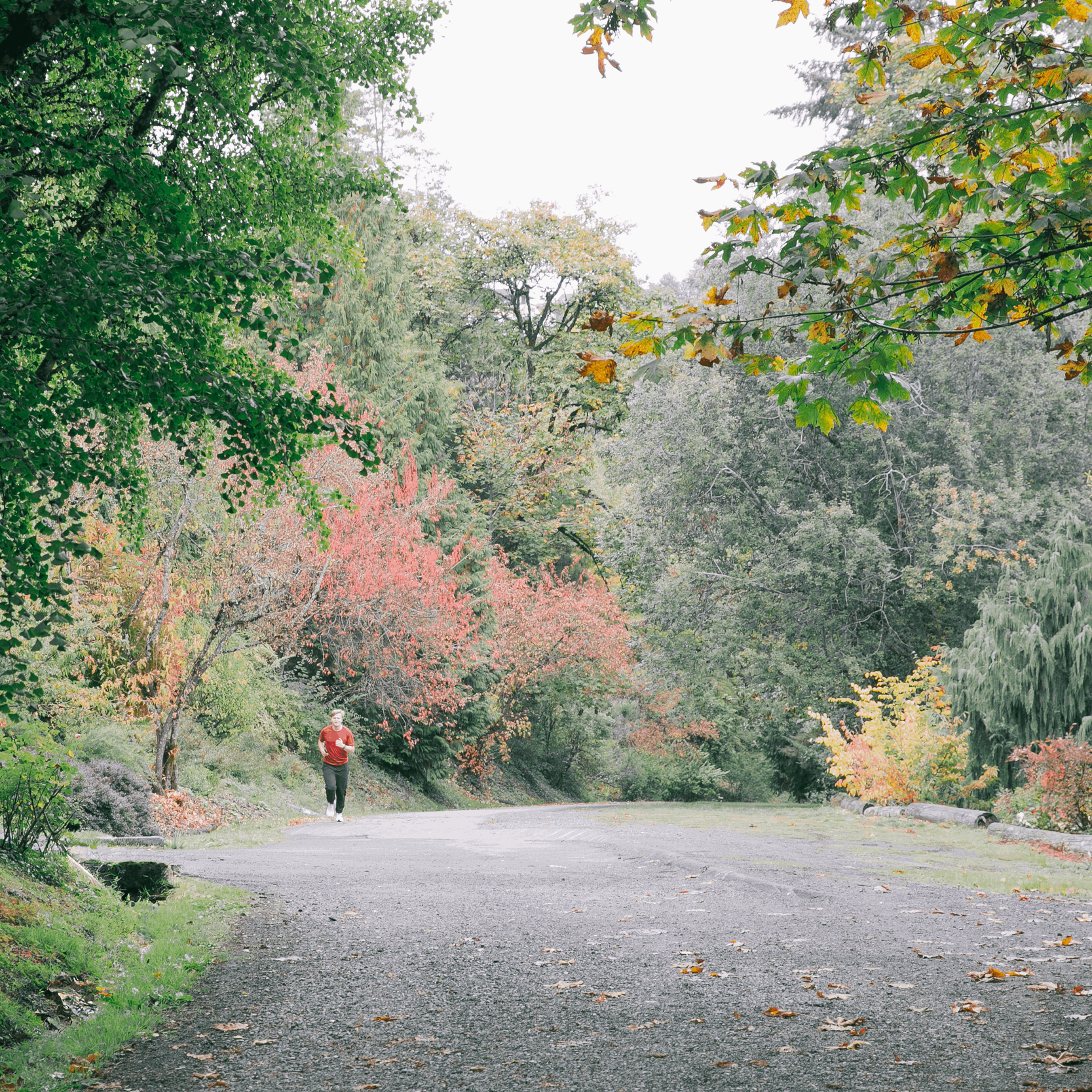
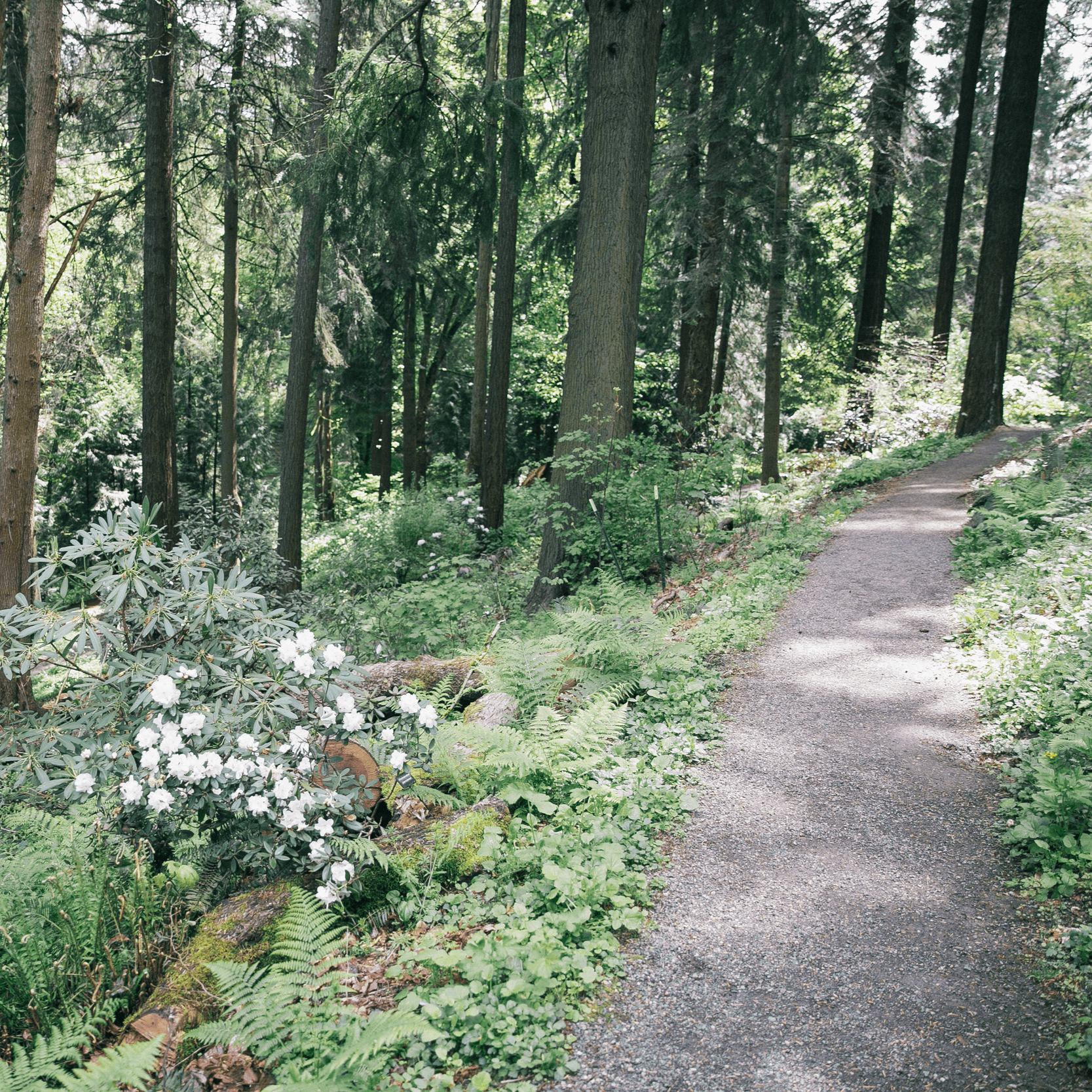
Washington Park includes a small but meaningful network of scenic walking trails outside of Hoyt Arboretum. These trails—totaling about three miles—connect destinations like the International Rose Test Garden, the historic Reservoir, memorials, and smaller gardens through forested canyons and historic landscapes.
If you’re looking for a longer, immersive trail experience, Hoyt Arboretum’s 12 miles of trails offer the most extensive hiking in the Park. The trails highlighted here are best for short walks, destination-to-destination connections, and scenic routes that pair easily with gardens, memorials, and cultural attractions.
The Washington Park Free Shuttle runs on a continuous hop-on, hop-off loop, providing convenient access to many key destinations in the Park, including trails.

Plan Your Visit
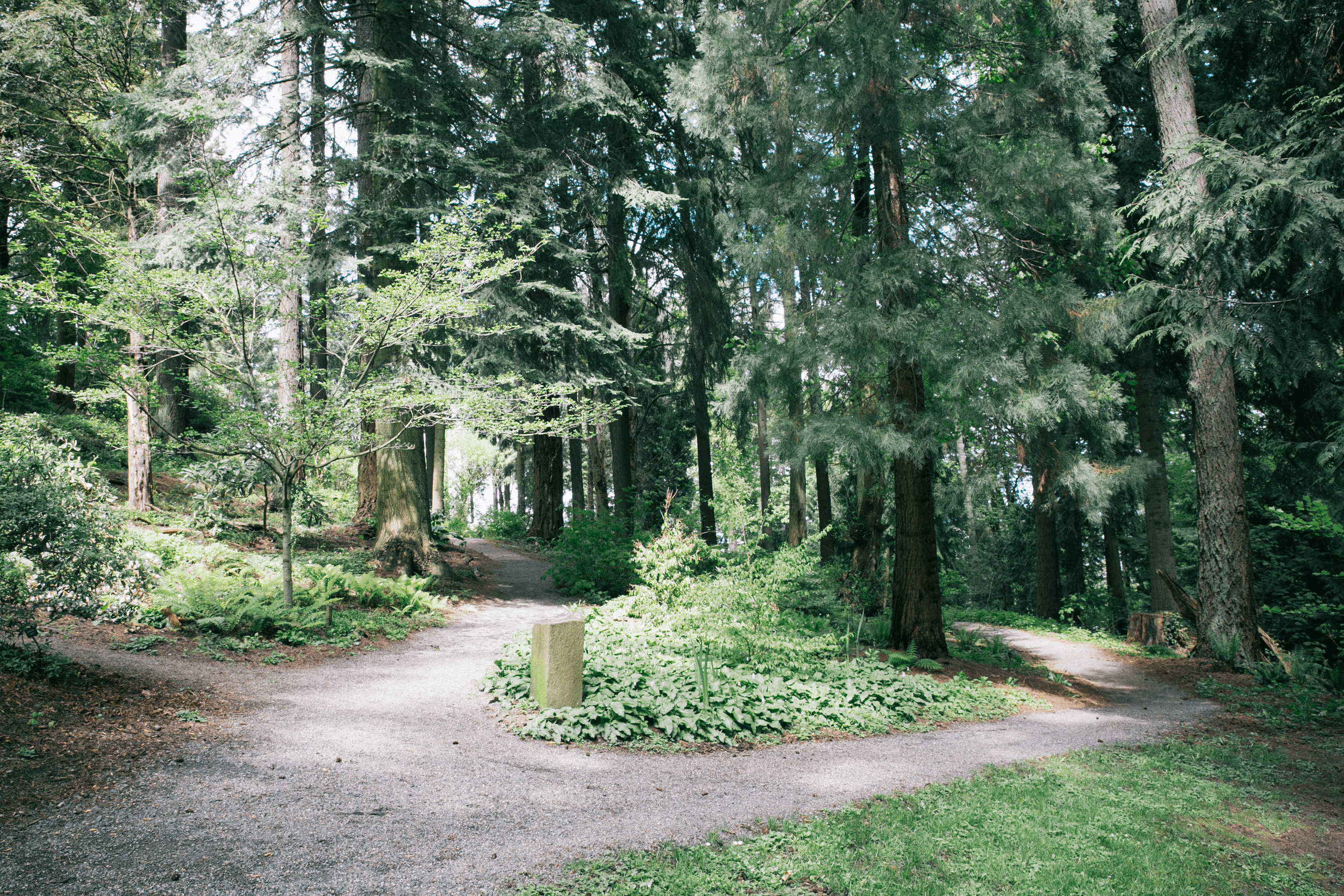
Washington Park’s non-Arboretum trails, near the northernmost end of the Park, are often used as connectors rather than loops. You can walk just one trail, or link a few together for a longer, varied experience.
Key trails include:
Stearns Canyon - Shaded, forested canyon paths that climb between SW Burnside and the Rose Garden area. This is one of the most popular pedestrian routes into the Park, offering a quiet, immersive approach that feels far removed from the city.
Madison Trail - Beginning near Goose Hollow, this trail provides another wooded entry into Washington Park, connecting to MAX access points and leading toward the Rose Garden, memorials, and central Park destinations.
Cloud Forest Walk - A short, lush pathway near the Oregon Holocaust Memorial that showcases dense plantings and a cool, shaded microclimate. This trail is especially popular in warmer months and during peak rose bloom.
Secret Garden - Informal-feeling paths near the Rose Garden that invite slower exploration and quiet moments. These short connectors are ideal for wandering rather than point-to-point travel.
MAC Trail - Portions of the MAC Trail near the Rose Garden and Children’s Park serve as accessible connectors between gardens, picnic areas, and playgrounds, linking paved routes with softer, forested walking experiences.
Getting Here
Points of interest are located throughout the park. View and download a digital park map.
-
Take the Red Line or Blue Line to Washington Park Station. Take the elevator to the station plaza. From here, board the Washington Park Free Shuttle, which stops at every major attraction in the Park.
-
Take TriMet Bus 63 from downtown to the SW Rose Garden Way & Sherwood stop near the International Rose Test Garden and Portland Japanese Garden. From here, you can board the Washington Park Free Shuttle, which stops at every major attraction in the Park.
-
Take TriMet Bus 20 to the W Burnside & NW 24th Pl stop. From here, use the Stearns Canyon Trail to enter the Park. This paved, car-free trail gradually climbs approximately 0.3 miles through a shady canyon toward the Oregon Holocaust Memorial, where you can board the Washington Park Free Shuttle, which stops at every major attraction in the Park.
-
Take TriMet Bus 15 to the W Burnside & NW 23rd stop. From here, cross Burnside and walk approximately 0.2 miles, where you can use the Stearns Canyon Trail to enter the Park. This paved, car-free trail gradually climbs approximately 0.3 miles through a shady canyon toward the Oregon Holocaust Memorial, where you can board the Washington Park Free Shuttle, which stops at every major attraction in the Park.
-
Washington Park's boundaries meet Portland's street grid in a few key places, and several car-free trails lead into the Park from surrounding neighborhoods, making it easy to explore on foot. Several popular Park entrances:
Park Place Entrance: This picturesque entrance on Park Place features the historic Lewis & Clark column. If you continue on the path, you’ll pass the Sacagawea Statue, Chiming Fountain, shaded picnic tables, and a kids’ play area before reaching the newly restored Reservoir and entering the heart of Washington Park.
Madison Entrance / Madison Street Trail: Start at the west end of SW Madison St, near the Goose Hollow MAX station. The trail offers a gentle, tree-lined climb to the Reservoir. From there, follow SW Sacajawea Boulevard west to the Rose Garden area and other Park attractions.
Burnside Entrance / Stearns Canyon Trail: This paved, car-free trail starts off W Burnside St near NW 23rd Ave and gradually climbs approximately 0.3 miles through a shady canyon toward the Oregon Holocaust Memorial, where you can board the Washington Park Free Shuttle, which stops at every major attraction in the Park.
Learn more about getting here on foot or see a digital map of the park.
-
Washington Park's boundaries meet Portland's street grid in a few key places, and several car-free trails lead into the Park from surrounding neighborhoods, making it easy to explore on foot. Several popular Park entrances:
Park Place Entrance: This is the most popular bike approach from the city center. The climb from SW Jefferson onto SW Park Place is short but steep—about 600 feet of gain in under two miles.
Madison Entrance / Madison Street Trail: Follow SW Madison St west until it turns into a trail entrance at the edge of the Park. The paved Madison Street Trail offers a gentle, green-lined climb, open to cyclists and pedestrians only.
Burnside Entrance / Stearns Canyon Trail: This paved, car-free trail starts off W Burnside St near NW 23rd Ave and gradually climbs approximately 0.3 miles through a shady canyon toward the Oregon Holocaust Memorial, where you can board the Washington Park Free Shuttle, which stops at every major attraction in the Park.
Fairview Entrance / SW Fairview Blvd: Fairview connects smoothly from Skyline, Burnside, and the West Hills’ neighborhood grid, making it a popular approach for experienced riders. The grade is consistent but challenging, with narrow shoulders in places and a few blind curves. As you near the Park, traffic stays light, but visibility is limited.
Learn more about getting here by bike or see a digital map of the park.
-
If you’re planning to come by car or rideshare, be prepared for limited parking and high demand on sunny days and during special events. Traffic to and within the Park can be slow on peak days, so plan extra time and consider taking transit and getting around using the Washington Park Free Shuttle for a less stressful, car-free visit.
Parking is paid and enforced throughout the Park, and designated rideshare zones are located near many popular park attractions.
Trip Tip
If you’re hiking into the Rose Garden area, the Stearns Canyon route offers a beautiful, forested approach that allows you to skip parking and arrive immersed in nature.

Getting Around
Pair your visit with another nearby attraction using the Washington Park Free Shuttle for a car-free day in the Park.
The Free Shuttle Loop connects every major attraction on a continuous free loop. Hop on and hop off using this free service to explore multiple destinations, including many trails, in one visit—without the hassle of parking or navigation.


Accessibility
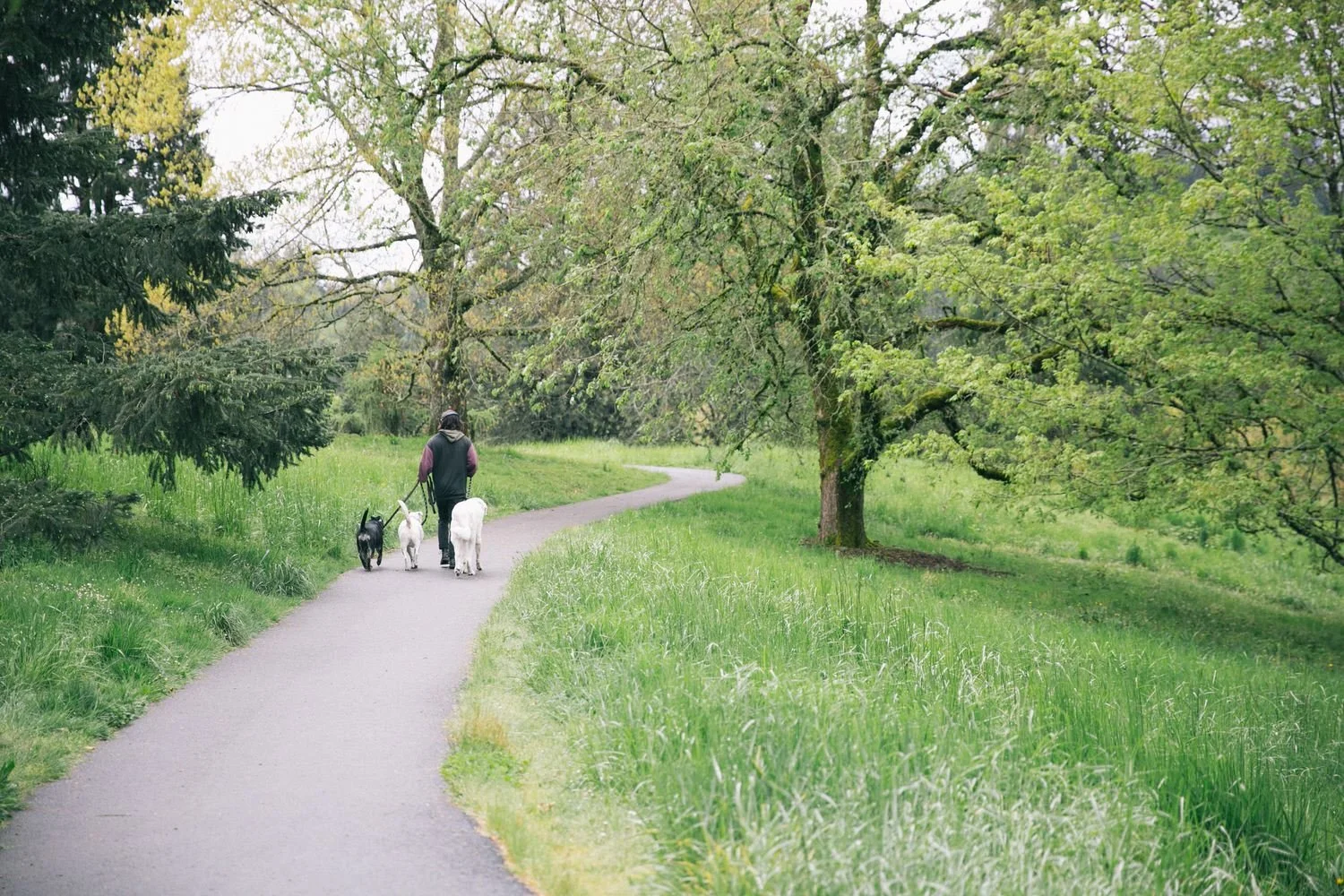
Trail accessibility varies by route, and trail conditions can change with weather, fallen leaves, or seasonal maintenance.
MAC Trail segments near the Rose Garden offer the smoothest surfaces and gentler grades
Cloud Forest includes short paved sections with moderate slopes
Stearns Canyon and Madison Trail are narrower, steeper, and more rugged, with uneven surfaces and limited resting areas
Visitors using mobility devices may prefer starting near garden plazas, MAX stations, or visitor centers to access the most direct and manageable paths.
Trip Tips
Washington Park Trail History
Washington Park’s trails and vista points reflect more than a century of stewardship. The park began in 1871 as a 41-acre landscape and was shaped early on by Charles M. Meyers, its first keeper, who modeled areas after European parks. In 1903, John C. Olmsted recommended separating pedestrian and vehicle routes and expanding naturalistic landscapes, influencing many of today’s trail corridors.
Over time, the Park has grown to 410 acres and now welcomes more than 3.5 million visitors each year. Its scenic viewpoints, miles of trails, gardens, and cultural institutions are supported by a network of caretakers—including garden curators, City maintenance teams, Park Rangers, and Explore Washington Park—who continue to preserve and enhance this historic urban green space.